Case Study 01 · Manufacturing · D2C Strategy
Case Study 1: The Hosiery Manufacturer Who Stopped Being Invisible
How a Ludhiana factory went from supplying brands at thin margins to selling directly to customers without burning money on ads
90
Days to first results
127
Direct B2B clients
₹18L
Monthly revenue (6mo)
100%
Direct margin kept
------- The Situation
A 40-year-old factory, running at 70% capacity — yet frustrated.
Rajesh (name changed) runs a hosiery unit in Ludhiana. His father started the business; Rajesh took over 15 years ago. On paper everything looked fine: steady orders from three mid-sized brands, decent cash flow, and good capacity utilisation.
But Rajesh was watching his own products get sold at five times his price — under someone else's label, with someone else's branding — while every year, his buyers negotiated his price further down.

I make the product. Same machines, same quality, same workers. But the brand buys from me at ₹120 and sells it at ₹599 on Amazon. They show MY factory photos on their website. They get all the reviews. I get nothing except the next purchase order — and every year they negotiate my price down.
— Rajesh, Hosiery Manufacturer, Ludhiana
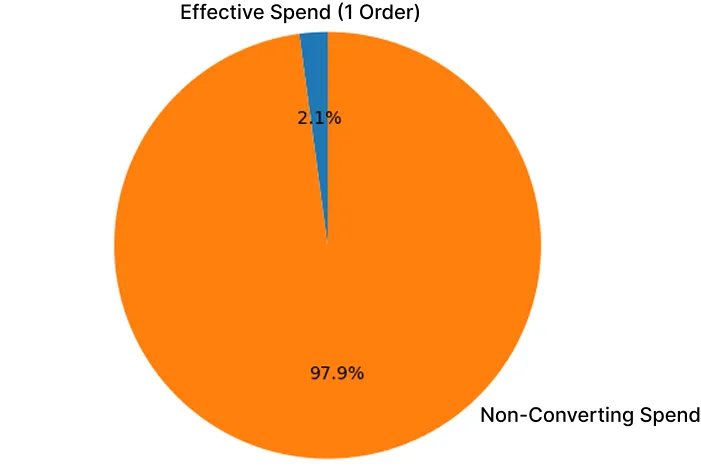
His son Arjun had been pushing him to go D2C for two years. One failed attempt — ₹2 lakh on Facebook ads, 47 orders, logistics losses — had left Rajesh sceptical. "These digital marketing people don't understand manufacturing," he said. "We can't burn money like VC-funded brands."
₹ 2,00,000 Facebook Ads Spend Breakdown
------- The Real Problem
It wasn't a marketing problem. It was an invisibility problem.
ajesh knew his buyer — the brand. He had zero connection to his customer — the person actually wearing his products. All the brand equity, all repeat purchases, all word-of-mouth flowed to someone else. He was just a line item on a cost sheet.
The previous agency made a classic mistake: they treated him like a D2C brand with deep pockets — flashy website, broad targeting, brand-building campaigns. But Rajesh couldn't afford to wait 18 months. He needed fast, cheap proof that people would buy directly from him.
------- What We Did Together
Four focused moves over 90 days.
Two days on the factory floor — not in the office — revealed a real product advantage: a brushed cotton blend softer and more breathable than the synthetic thermal wear most brands sell. Workers in cold environments loved it. That story had never been told.
01
Narrow the customer segment
Instead of "everyone who needs thermal wear," we targeted one specific group: workers in cold environments — warehouses, cold storage units, night security. Function over fashion. They care about comfort, durability, value. They are not following influencers on Instagram.
02
Build a simple selling system
No fancy website. A WhatsApp Business catalog — 8 products, factory-shot photos, clear pricing. A Google Form for orders and a simple payment link. Lean, fast, functional.
03
Direct outreach to B2B buyers
Two trained telecallers calling HR managers and procurement heads at logistics companies, cold storage facilities, and security agencies across Punjab and Haryana. Their only goal: offer free samples. Not sell — sample.
04
Build a referral loop
Every satisfied customer received a simple offer: recommend us to another company and get 10% off your next order. No app. No loyalty programme. Just a WhatsApp message and a discount code.
------- The Results
127 direct clients. Zero middlemen. One new door.
127
Direct B2B customers in 90 days — companies, not individuals, ordering in bulk
₹4.2L
Monthly revenue at 90 days — 100% direct margin, no middleman cut
₹18L
Monthly revenue by month 6 — more than 4× growth in under 6 months
More importantly, Rajesh now had something he never had before: customer data. Who was buying, how often, what sizes, when they reordered. Arjun now runs this channel full-time. The brands Rajesh supplies haven't noticed — the B2B business continues as before, while a parallel direct revenue stream compounds quietly.
------- Why It Worked
He didn't try to become Jockey or Lux. He found the gap they ignore.
Rajesh didn't compete with VC-funded D2C brands on Instagram. He found a segment that big brands actively ignore — B2B buyers who need functional products in bulk — and built a direct, low-cost line to them.
The factory gate that was once only open to brand buyers now has a second door — a digital one — where his real customers can walk in directly.
The lesson isn't about hosiery. It's about recognising that every manufacturer is sitting on a distribution problem disguised as a pricing problem. Solve the distribution first.