Manufacturing · Direct Channel · Rajkot · Auto Parts
The Auto Parts Manufacturer Who Reached Mechanics Directly
How a Rajkot factory built a direct selling channel to 500+ mechanics — cutting out distributors and increasing margins by 40%.
520+
Active mechanics
+40%
Margin increase
₹18L
Monthly revenue
------- The Situation
OEM quality. Three middlemen. Zero margin left.
Rajkot is one of India's largest auto component clusters. Hundreds of factories produce everything from brake pads to suspension parts to engine components. Prakash bhai runs one such unit — specialising in clutch plates and brake shoes for two-wheelers.
His products are OEM-quality, but he sells to distributors who sell to retailers, who sell to mechanics. By the time his product reached the end user, it had passed through three hands — each taking a cut.

I sell at ₹80, the mechanic pays ₹180. Where does that ₹100 go? Not to me, not to the customer — just to middlemen who do nothing but move boxes.
— Prakash bhai, Auto Parts Manufacturer, Rajkot
The insight was clear: sell directly to mechanics at ₹120 and both sides win — 50% more margin for him, ₹60 saved per piece for the mechanic. The only losers would be the middlemen. But how do you reach 10,000 scattered mechanics across Gujarat? A website? Mechanics don't browse websites. Salesmen visiting garages? Too slow, too expensive.
------- The Real Problem
Not awareness. Access and trust — two separate walls.
Most mechanics in Gujarat had already heard of Prakash bhai's brand. Recognition wasn't the issue. Two deeper structural barriers were in the way.
01
Access
Mechanics work 10–12 hours a day. They don't research suppliers online. They order from whoever shows up — or the distributor they've used for years. Getting in front of them required a different approach entirely.
02
Trust
Switching suppliers is risky. Inconsistent quality, delayed delivery, no response when something goes wrong. The current system is inefficient — but familiar. And familiarity always wins over efficiency.
03
Behavior
Any solution had to work the way mechanics already work — not the way a brand wants them to work. No new apps, no websites. The channel had to fit their day, not interrupt it.
Solving for access and trust without asking mechanics to change their habits became the core design challenge of the entire system.
------- What We Did Together
A system designed around the mechanic's day — not the factory's preference.
Three months building with Prakash bhai's team. Four components, each targeting a specific friction point.
1
Relationship Tele-calling Team
Not a call center selling aggressively — four people whose job was to call mechanics, introduce the factory, offer a free sample kit, and simply ask: "What do you need most right now?" Conversation before transaction, every time.
2
WhatsApp Ordering System
No app to download. No website to navigate. A mechanic sends "50 clutch plates Hero Splendor" on WhatsApp and gets confirmation in 10 minutes. Built entirely on a platform every mechanic already uses every day.
3
Regional Hub Logistics
Instead of individual parcels, we identified specific shops in each district willing to act as pickup points. Weekly consolidated shipments kept costs low. Mechanics collect locally — no waiting for delivery, no tracking links to manage.
4
Risk-Free First Order Guarantee
Every first order came with a clear promise: any defective piece means free replacement plus ₹20 credit, no questions asked. This removed the single biggest barrier to trying a new supplier — and it worked.
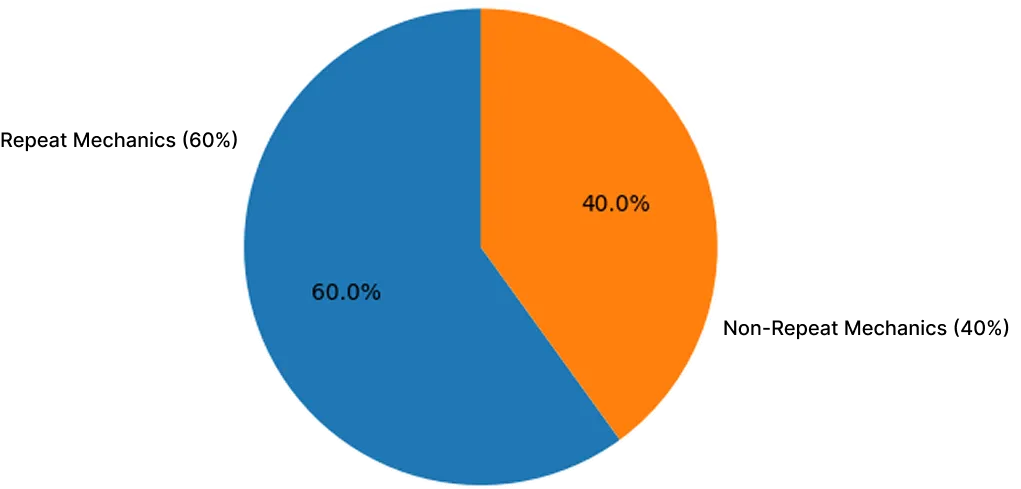
Quality of mechanics onboarded in first 90 days
------- The Results
147 mechanics in 90 days. 520 active at six months.
147
Mechanics in first 90 days
60%
Became repeat customers
520
Active mechanics at
6 months
₹18L
Monthly direct revenue
The tele-calling team that started as an experiment is now a permanent department. They don't just take orders — they collect feedback, spot which products are in demand, and alert the factory when competitors launch something new. A distribution channel became a market intelligence operation.
Prakash bhai still sells through distributors. He's not trying to destroy that channel. But now he has options, leverage, and something distributors will never have: a direct relationship with the people who use his products every day.